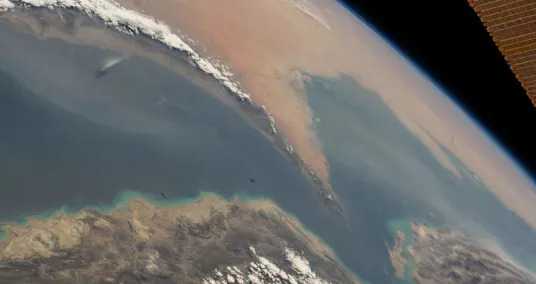
A massive dust storm, or haboob, swept across the Sahara Desert from western Algeria into Mauritania, Morocco, Western Sahara and the Canary Islands on March 30. The dust stretched for more than 1,000 miles.
As meteorologists observed the dust storm from space via weather satellites, social media users captured the incoming dust storm on camera. One video shows a thick wall of dust and sand moving toward a resident of the town of Tindouf, near the Mauritanian, Western Saharan and Moroccan borders.
How does the dust affect tropical storms in the Atlantic?
While this storm didn't make it too far off the coast, significant amounts of dust can drift westward from Africa across the Atlantic beginning in May. This can inhibit tropical storm formation, or the strengthening of an existing system, because the dusty air has about 50% less moisture than the typical tropical atmosphere.
Strong winds in the dust layer can also substantially increase the vertical wind shear in and around the storm environment, potentially disrupting any storm that forms.
LATEST POSTS



 Will your baby get a hep B vaccine? What RFK panel's ruling means.
- 10 Demonstrated Tips to Expand Your New Android Cell phone: A Thorough Aide
- First part of major new German-Danish tunnel cleared for lowering
- Death toll from floods in Afghanistan rises to 61
- Gaza Strip sees flooding after heavy rainfall
- Remote Headphones: Upgrade Your Sound Insight
- Astonishing Deserts All over The Planet You Really want To Visit
- The most effective method to Decisively Plan Your Nursing Profession for the Best Compensation Results
- Burger King launches 'SpongeBob' menu ahead of film's release. A look at the Bikini Bottom-inspired meal, plus what taste testers are saying.