America is looking to catch up to worldwide trends for sun protection.
The Food and Drug Administration announced a proposal on Dec. 11 to allow the addition of bemotrizinol to sunscreen – an ingredient that has been popular in other countries for decades.
Bemotrizinol offers more stable, longer-lasting protection against both types of UV rays that damage our skin. It has the added benefit of being gentle enough for use on young children, said the FDA announcement. And it could become available in time for next summer.
"The agency has historically moved too slowly in this area, leaving Americans with fewer options than consumers abroad. We’re continuing to modernize the regulation of sunscreen and other over-the-counter drug products,” FDA Commissioner Marty Makary said in a press statement. “Americans deserve timely access to the best safe, effective, and consumer-friendly over-the-counter products available.”
Here's what to know.
What is Bemotrizinol?
Bemotrizinol, or BEMT, is a chemical compound that absorbs both UVB and UVA rays. If those sound familiar, it's because you've probably already seen them on every bottle of sunscreen you've ever purchased. The sun emits ultraviolet (UV) radiation, the thing sunscreens are designed to protect against.
Names like UVB and UVA distinguish between the different kinds of rays that make up the radiation, according to the University of Texas MD Anderson Cancer Center. As far as our skin, the difference between the two isn't huge. Tanning and burns happen faster with UVA than UVB. And UVB can be filtered by barriers like windows and clouds.
About 95% of UV that reaches the ground is UVA, with UVB making up the additional 5%, according to the Anderson Cancer Center. Sunblock works to block both in two different ways: putting a physical barrier between your skin and the sun with minerals or by using a chemical that absorbs rays before they can reach you. BEMT is one of the latter.
Why is BEMT good for use in sunscreen?
BEMT offers a lot of what we look for in a sunscreen. It's broad-spectrum, meaning it protects against both UVA and UVB, and offers a higher Sun Protection Factor (SPF) in smaller amounts than other popular ingredients, according to Certified Laboratories and the FDA.
BEMT is more photostable than other commonly used sunscreen ingredients, meaning it breaks down in the sun more slowly. It's also oil-soluble, which makes it ideal for incorporating into creams.
It has low levels of absorption through the skin into the body and rarely causes skin irritation, which the FDA says makes it suitable for safe use in children as young as 6 months of age.

When will BEMT come to sunscreen in the US?
After its formal proposal, the FDA allows a 45-day public comment period. The agency will then issue a final order to add the ingredient if they find it to be safe.
Approvals for over-the-counter pharmaceuticals are typically faster than the one to two years it takes for a drug to be greenlit for manufacturing. The FDA told Today that it expects BEMT sunscreens to become available in summer or fall 2026.
This article originally appeared on USA TODAY: What is bemotrizinol? FDA proposes new sunscreen ingredient
LATEST POSTS
- 1
 Reporter's Notebook: The Post embeds with foreign armies visiting the IDF
 - 2FDA updates risk classification for voluntary shredded cheese recall
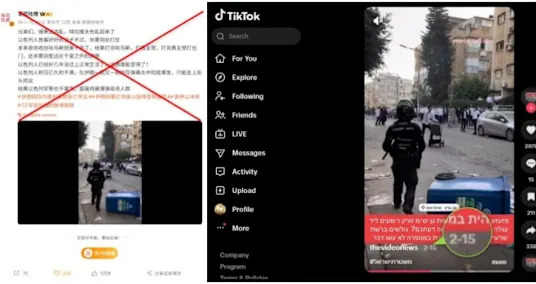
- 3Video of clashes over purported conscription orders misrepresented as anti-war protest in Israel
- 4Study shows no clear link between low-fat dairy and dementia risk
- 5Well known SUVs With Low Energy Utilization In 2024




- Public mistrust linked to drop in deceased donor organ donations and kidney transplants
- A Manual for SUVs with Less Noteworthy Gas Mileage
- ISS astronauts spy airglow and dwarf galaxy | Space photo of the day for Jan. 13, 2026
- Which European palace do you fantasy about visiting? Vote!
- New portrait of the oldest-known supernova | Space photo of the day for March 27, 2026
- Tata Motors, BMW among automakers set to raise prices in India
- The most effective method to Beat Dental Tension and Guarantee Customary Exams
- Ukraine: Russians abduct 50 Ukrainians from border village in Sumy
- Figure out How to Remain Persuaded During Your Internet based Degree Program